

Remembering the Bhopal Gas Tragedy: A Night of Devastation
The leak, which happened on the night of December 2-3, 1984, released a deadly cloud of methyl isocyanate gas into the air, spreading rapidly and affecting the surrounding areas.

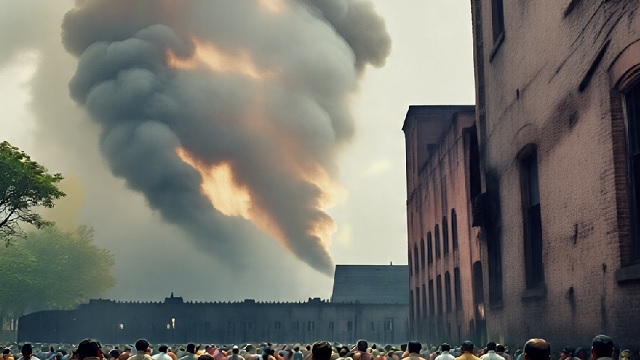
Delhi: December 2, 1984, is a day etched in India’s history – a night when the world witnessed one of the worst industrial disasters. The Bhopal gas tragedy, also known as the Bhopal disaster, occurred when a toxic gas leak from the Union Carbide pesticide plant in Bhopal, Madhya Pradesh, claimed thousands of lives and left hundreds of thousands injured.
The leak, which happened on the night of December 2-3, 1984, released a deadly cloud of methyl isocyanate gas into the air, spreading rapidly and affecting the surrounding areas. The disaster led to widespread suffering, long-term health issues, and a massive displacement of people.
The official death toll stands at around 3,787, but estimates suggest the actual number could be much higher, with many more suffering from chronic health issues. The tragedy led to significant changes in safety regulations and environmental laws.
Tomorrow, December 3, is observed as National Pollution Control Day in India to commemorate the Bhopal Gas Tragedy. In Bhopal, December 3 is a public holiday, serving as a reminder of the devastating event and the importance of environmental safety.
As we mark the 41st anniversary of this tragic event, it’s a moment to reflect on the importance of prioritizing safety and environmental protection to prevent such disasters in the future.
Also read: Maharashtra Raj Bhavan renamed as Maharashtra Lok Bhavan