


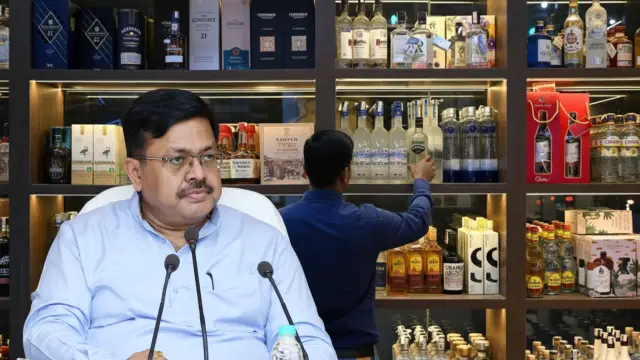
Odisha’s excise revenue collection reached an all-time high of ₹11,429 crore in the 2024-25 fiscal year, as announced by Excise Minister Prithviraj Harichandan in the State Assembly. However, the government has set a surprisingly lower target of ₹9,753 crore for the upcoming 2025-26 fiscal year.
The remarkable financial journey saw the excise revenue jump by approximately 112% over four years, soaring from ₹5400 crore in the 2020-21 fiscal year to the record collection of ₹11,429 crore in 2024-25.
Key Figures and Policy Context
The growth in collections is largely attributed to the successful implementation of policies like the e-auctioning of Indian Made Foreign Liquor (IMFL) and country liquor shops, which officials noted has brought transparency and paid dividends in revenue hike.
- 2020-21 Revenue: ₹5400 crore
- 2024-25 Final Collection: ₹11,429 crore
- 2025-26 Target: ₹9,753 crore
The Minister’s statement confirms that the revenue from Indian Made Foreign Liquor (IMFL) shops, breweries, and distillery units are the primary contributors. Providing context on the scale of operations, the Minister stated that, over the last decade, a total of 41,450 excise shops have been operational across the state. Furthermore, he shared the current status of liquor shops, confirming that there are currently 3,859 local, foreign, and other types of liquor shops in operation.
The Target Disparity and Social Implications
The government’s decision to set a lower target of ₹9,753 crore for 2025-26, despite the record collection in the preceding year, is believed to be linked to the new excise policy. This new policy, revised from September 1, 2024, included a ban on the opening of new IMFL ‘off’ shops and rural ‘on’ shops, which could curtail future growth.
Anti-liquor campaigners have criticized the government for maintaining a “double standard,” arguing that while alcoholic addiction breaks up families, the focus on excise revenue growth promotes the spread of alcohol consumption. This sentiment is backed by National Family Health Survey (NFHS) data, which shows a disturbing picture of rising alcohol consumption in both rural and urban areas.