


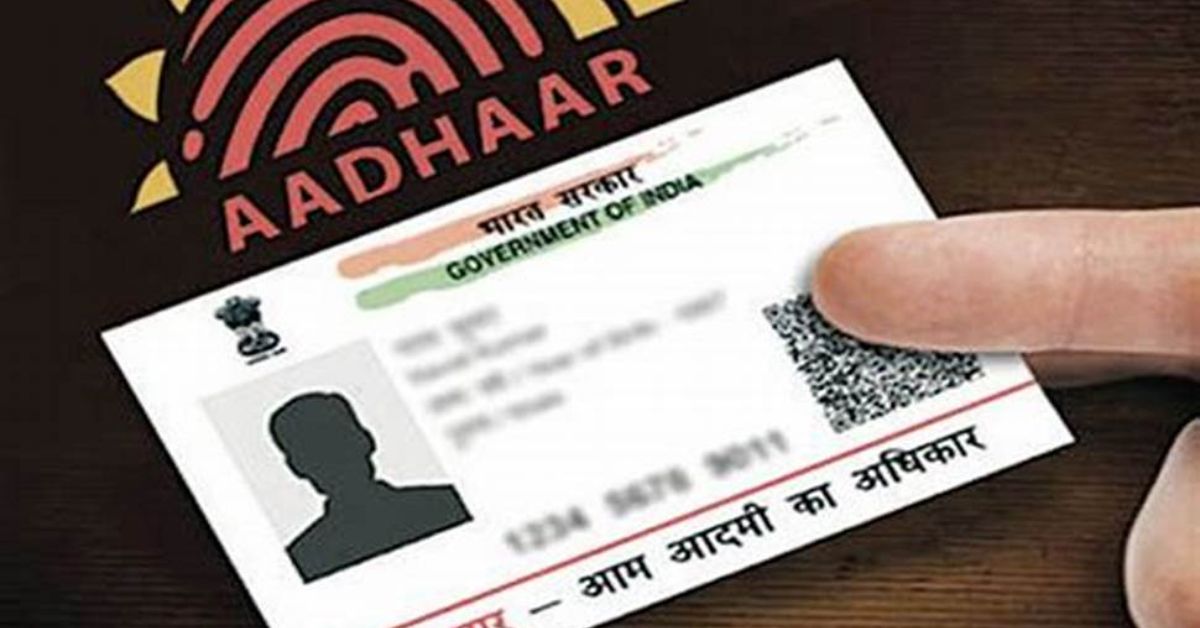
The Unique Identification Authority of India (UIDAI) issues Aadhaar cards to each and every citizen of the country including for the children under five years of age. The children under five years of age get a Blue or Baal Aadhaar card.
Today, the Aadhaar card has become such a vital identity card that it is needed almost for all official works be it school, college or bank. However, do you known there are different forms of the Aadhaar.
According to UIDAI, the different forms of Aadhaar are Aadhaar Letter, Aadhaar PVC card, eAadhaar and mAadhaar. However, all forms of Aadhaar are equally valid and acceptable.
Aadhaar PVC:
- Aadhaar PVC card is PVC based Aadhaar card which can be ordered online by paying nominal charges. It is PVC based durable and easy to carry card with multiple security features. Aadhaar PVC card is equally valid.
Aadhaar letter:
- An Aadhaar letter is a laminated paper document issued by the Unique Identification Authority of India (UIDAI) to Aadhaar number holders after enrollment or an update. It contains a secure QR code with the dates it was printed and issued.
e-Aadhaar:
- e-Aadhaar is a password protected electronic copy of Aadhaar, digitally signed by UIDAI. As per Aadhaar Act, e-Aadhaar is equally valid like Physical Copy of Aadhaar for all purposes. An Aadhaar Number holder can download e-Aadhaar by following three ways.
- By Using Enrollment Number
- By Using Aadhaar No
- By using VID
- OTP for downloading eAadhaar will be received on registered mobile number.
mAadhaar:
- mAadhaar is a mobile app that allows Indian citizens to access their Aadhaar card details on their smartphones. The app was developed by the Unique Identification Authority of India (UIDAI).
Apart from all the above forms, UIDAI also says that there is Masked Aadhaar. Masked Aadhaar implies replacing of first 8 digits of Aadhaar number with “xxxx-xxxx” while only last 4 digits of the Aadhaar Number are visible.