

CAG Blasts Odisha’s School Education System Over Fund Mismanagement, Plunging Enrollment, and Critical Infrastructure Gaps

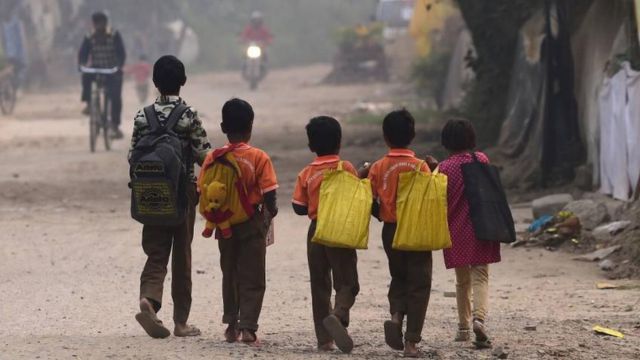
A damning performance audit by the Comptroller and Auditor General (CAG) of India, covering the period from 2018-19 to 2022-23, has exposed significant systemic failures in Odisha’s school education system, citing massive student dropouts, poor financial management, and a chronic lack of basic infrastructure.
The report, tabled in the State Legislative Assembly, paints a picture of a failing system where over 30% of secondary students are unable to continue their education.
1. Critical Failure in Student Transition and Dropout
The CAG found a sharp decline in the Gross Enrollment Ratio (GER) and Net Enrollment Rate (NER) at the secondary and higher secondary levels, contrary to the national trend of increasing enrollment.
30% Fail to Transition: The transition rate from the secondary to the higher secondary level was reported at a mere 70.3%. This means approximately 30% of students were unable to make the leap to higher education, either due to dropping out or failing to qualify for the next level.
Mass Discontinuation: Statistically, between 2018 and 2023, between 1.50 lakh to 5.47 lakh children enrolled in Classes I to XI discontinued their education before reaching the immediate higher class.
Surging Dropout Rate: The dropout rate at the secondary level increased by a staggering 86% over the audit period, reaching 17.7% in 2022-23.
Out-of-School Children Ignored: The state also failed to bring 61,487 out-of-school children (aged 6 to 18 years) back into the formal education system.
The primary reasons cited for student dropout included unwillingness to study further (39%) and poverty (27%), with marriage also accounting for 9% of cases.
2. Financial and Planning Mismanagement
The audit highlighted major inefficiencies in the use of funds and overall planning, which contributed to the sector’s woes.
Unutilised Funds: The School and Mass Education Department failed to effectively utilise its budget, resulting in a savings and surrender of 12% of the allocated funds.
Samagra Shiksha Scheme Underperformed: Budget utilisation under the critical Samagra Shiksha Scheme was significantly low, ranging only between 44% and 50%.
Flawed Planning: The planning process for school education was found to be non-compliant with guidelines, as it was neither participatory nor “bottom-up.” Furthermore, essential district and block-level planning teams were not constituted.
3. Infrastructure and Staffing Gaps
The report concluded that inadequate school infrastructure and facilities were indicative reasons for the declining enrollment and high dropouts, alongside a lack of measures to arrest the trend.
Inadequate Infrastructure: A significant number of schools were found to be lacking crucial basic facilities, including ramps, CwSN (Children with Special Needs)-friendly toilets, and functional laboratories.
Teacher Shortage: The audit noted an adverse Pupil-Teacher Ratio in a large number of schools, pointing to a critical shortage of teaching staff.
Vocational Education Lag: The state also lagged in implementing vocational education, introducing it in only 646 schools against a target of 877.
The CAG has strongly recommended immediate action to improve planning, enhance infrastructure, and fix the teacher-student ratios to ensure quality education is delivered across the state.