

DTH Sector Fights Back: Revenue Decline to Halve in FY26 as Tata Play, Airtel Lead Hybrid OTT-Broadband Pivot

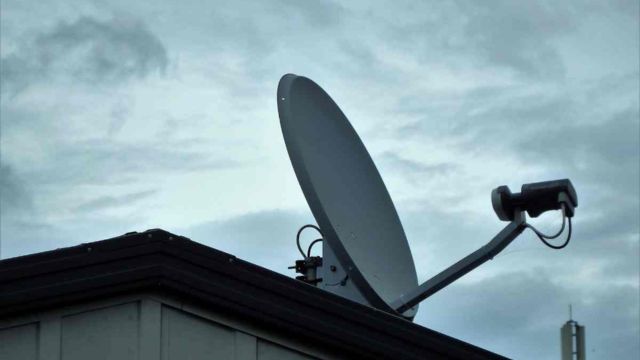
India’s private Direct-to-Home (DTH) television industry is showing signs of stabilizing its financial performance, with the annual revenue decline projected to moderate significantly to 3–4% in Fiscal Year 2026 (FY26). This is a noticeable improvement from the steeper approximately 5% contraction recorded in the previous fiscal year, according to a recent analysis by Crisil Ratings.
The marginal recovery is attributed directly to the major DTH players rapidly pivoting their business models towards an integrated entertainment offering, specifically through Internet Protocol Television (IPTV) and hybrid set-top boxes (STBs) that bundle live TV with Over-The-Top (OTT) streaming and broadband services.
The Subscriber Exodus and Its Cause
The six-year trend of subscribers cancellation continues to impact the sector’s core business. The subscriber base for private DTH operators has been steadily eroding, shrinking from a high of 72 million in FY19 to 61.9 million in FY24, with forecasts projecting the base to dip below 51 million by the end of FY26.
The churn is bifurcated:
- Premium Exodus: Affluent households are migrating to direct OTT subscriptions on connected TVs.
- Budget Shift: Price-sensitive viewers are increasingly opting for DD Free Dish, the public broadcaster’s free-to-air service, which is significantly cheaper than pay-DTH packs.
The Hybrid Model: A Lifeline for DTH Giants
To arrest the decline, major private operators like Tata Play, Airtel Digital TV, and Dish TV are redefining their value proposition by moving beyond traditional satellite broadcast.
- IPTV Growth: This bundled approach, which delivers live TV and OTT via a broadband connection, is gaining significant momentum. The customer base for IPTV services has seen phenomenal growth, nearly quadrupling to 2.13 million (21.3 lakh) as of September 2025 from around 0.57 million in FY24.
- Brand Example: Tata Play Binge: The success of this pivot is exemplified by products like the Tata Play Binge+ hybrid box. This device allows a customer to access both their satellite channels and popular OTT apps (like Netflix, Disney+ Hotstar, etc.) through a single device, catering to the growing consumer preference for integrated viewing.
- Revenue Boost: Operators are also seeing an uplift in revenues from increased marketing income generated through advertisements and promotions on their own OTT aggregator platforms embedded within the hybrid boxes.
Individual Operator Financials Highlight Sector Stress
While the overall sector outlook is showing a slower pace of decline, individual company reports highlight the severe financial strain:
| Private DTH Operator | Key Financial Metric | Data Point (Source: Crisil/Market Filings) |
| Tata Play | FY25 Revenue Decline | Fell by 5.05% to ₹4,109 crore (from ₹4,327 crore in FY24). |
| Subscriber Base | Shrank to 18 million from a peak of 23 million. | |
| Airtel Digital TV | Q2 FY26 Revenue Stability | Posted relatively stable revenue of ₹753 crore, a marginal decline of only 0.66% year-on-year, showing resilience. |
| Dish TV | Q2 FY26 Total Income Decline | Fell sharply by 25.2% to ₹299.2 crore (from ₹400 crore in Q2 FY25). |
| Sun Direct | 9M FY25 Operating Income Decline | Operating income fell by 9.88% to ₹939 crore (from ₹1,042 crore in FY24). |
As of June 2025, market share remains concentrated among the top four players: Tata Play leads with 31.42%, followed closely by Airtel Digital TV (29.33%), with Sun Direct (20.13%) and Dish TV (19.13%) rounding out the private sector.
Crisil’s analysis suggests that by curtailing customer acquisition subsidies on STBs and maintaining strict cost controls, operators can keep their operating margins stable at 44–45% this fiscal year, despite the continued pressure on the top line. The financial future of India’s DTH sector now hinges on the speed and success of this strategic pivot from a purely broadcast company to a converged digital service provider.